Uncategorized
Best Entry-Level FPV Drone + Drone License Rules + Best DJI Drones for Income
Oct
Buying your first drone usually kicks off three questions, often in this order: Which one should I get? Am I allowed to make money with it? And which one is actually worth it if I do?
This guide answers all three in plain language, so you can stop scrolling spec sheets and make a decision.
A quick note before we start: drone rules and product availability change, and this article is general information, not legal advice. Always confirm current rules with your aviation authority (the FAA in the US) before you fly for pay.
What Is the Best Entry-Level FPV Drone?
First, a quick definition. FPV stands for first-person view. You wear goggles that show a live video feed from the drone’s camera, so it feels like you’re the one flying. It’s thrilling, and it’s also a bit harder than flying a regular camera drone, so the right starter matters.
Here’s the honest short list.
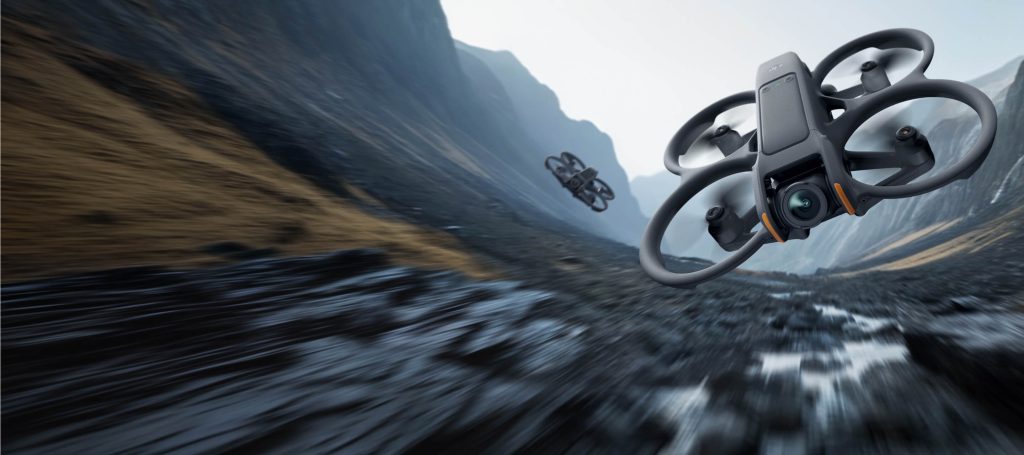
DJI Avata 2: the best true FPV drone for beginners
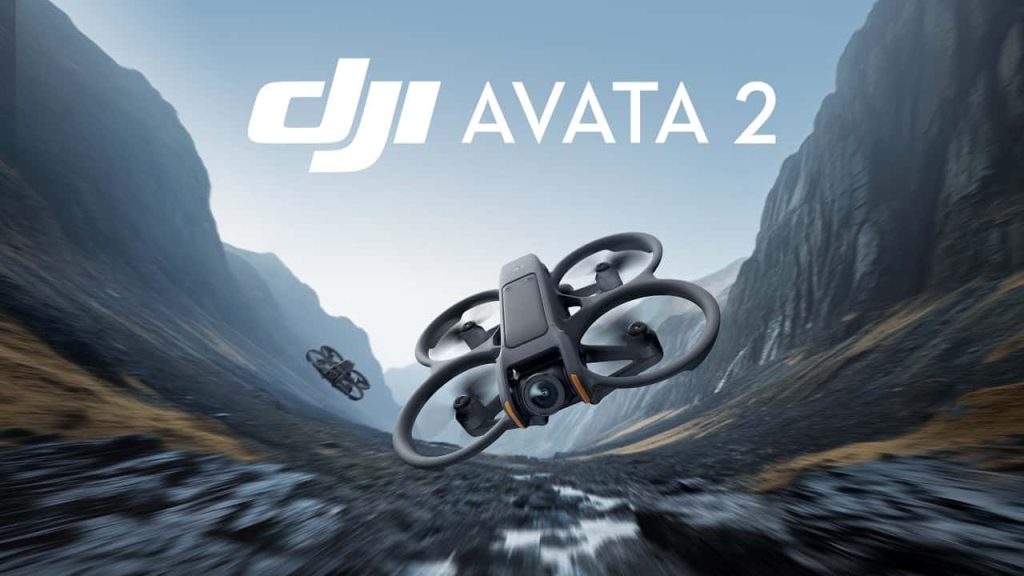
If you want the real goggles-on FPV experience and you're new to it, the DJI Avata 2 is the safest place to start. Most beginner roundups land on it for good reasons:
- Built-in propeller guards. Crashes happen when you're learning. The ducted design shrugs off bumps that would wreck a traditional open-prop FPV build.
- Beginner-friendly flight modes. Stability-focused modes keep things calm while you build confidence.
- Solid video. It shoots 4K, with roughly 23 minutes of flight time per battery.
- Ready to fly. No soldering, no tuning, no building.
The trade-off is price. It typically sits around $1,000 for the drone, and you'll want goggles and a motion controller (or buy a bundle). It's also not the best choice if your main goal is still photos.
DJI Neo 2: the easiest, most affordable way into the experience
The Neo 2 is a tiny, palm-launch drone that weighs about 151 grams. You can take off from your hand, land on your hand, and switch between flight modes with buttons on the drone itself. For many first-timers, it’s the least intimidating drone you can buy.
One honest caveat: the Neo line isn’t a traditional FPV drone. It can be flown with goggles and a motion controller in some bundles, and it’s great fun, but if you want manual, acro-style FPV control, the Avata 2 is the better long-term pick. If you mostly want to follow yourself, capture simple moving shots, or just try drones without a big investment, the Neo 2 is hard to beat.
DJI Flip: a beginner camera drone, not FPV
The Flip often shows up in beginner lists, and it’s a friendly, foldable first drone, but it isn’t an FPV drone. We mention it here so you don’t buy it expecting goggles-style flying.
Which one should you choose?
- You want real FPV and you’re serious about learning it: DJI Avata 2.
- You want the lowest-stress first drone with a fun FPV-style option: DJI Neo 2.
- You mainly want clean aerial photos and video: skip FPV for now and look at the Mini series below.
Do You Need a License to Fly a Drone Commercially?
Short answer for the United States: yes. If you’re paid, or you receive anything of value, for flying a drone, that’s commercial flying, and you need an FAA Remote Pilot Certificate. People usually call it a Part 107 license, after the regulation that governs it.
What counts as “commercial”?
It’s broader than most people think. You don’t need a formal business. If someone pays you to shoot a property, you sell footage, you fly for a client’s project, or you use the flight to promote your paid services, you should assume Part 107 applies. When in doubt, the FAA’s advice is to follow the stricter Part 107 rules.
What you need to fly commercially in the US
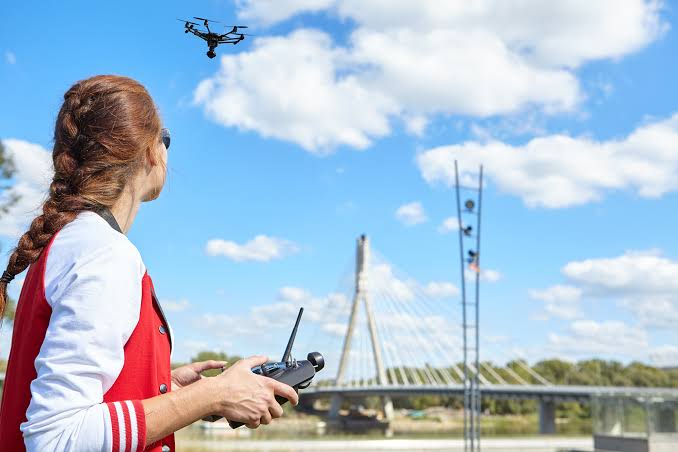
- A Part 107 Remote Pilot Certificate. You get it by passing an aeronautical knowledge test at an FAA-approved testing center. Pilots who already hold a manned-aircraft certificate can take a different route, with online training.
- Register your drone under Part 107. This is the part people miss: even if your drone weighs less than 250 grams, you must register it if you fly it commercially. Registration is $5 per drone, and your registration number needs to be marked on the outside of the aircraft.
- Remote ID. Most outdoor flights need to meet Remote ID requirements, which broadcast identification and location information while you fly.
- Stay current. Your certificate is valid for 24 months, after which you complete recurrent training.
- Follow the operating rules. For example, keep the drone within visual line of sight, and don’t fly over people unless they’re part of the operation. If you fly FPV under Part 107, you’ll need a visual observer keeping the aircraft in sight, since your eyes are in the goggles.
What about hobby flying?
If you fly purely for fun, you don’t need Part 107. Recreational flyers take a free safety test called TRUST, and drones that weigh 250 grams or more need to be registered. A drone under 250 grams flown only recreationally doesn’t need registration.
The important point: the moment a flight becomes paid work, you move into Part 107 territory, whatever the drone weighs.
Flying outside the US
Rules are different in every country. In the EU, drones fall into categories (“open,” “specific,” and “certified”) with operator registration and, for many drones, pilot training or exams. In the UK, camera drones over 100 grams generally require both an Operator ID and a Flyer ID. Before you take paid work abroad, check your local aviation authority’s current rules. Don’t assume your home country’s license carries over.
What Are the Best DJI Drones for Making Money?
A drone doesn’t earn money on its own. Clients pay for results: sharp, stable, well-composed footage, delivered reliably. So the best money-making drone is usually the one that gets you great results while keeping your costs and hassle low.
Popular paid uses include real estate photography, events and weddings, property and roof inspections, local business promos, tourism content, and social media content for clients. Here are the DJI models most often recommended for that kind of work.
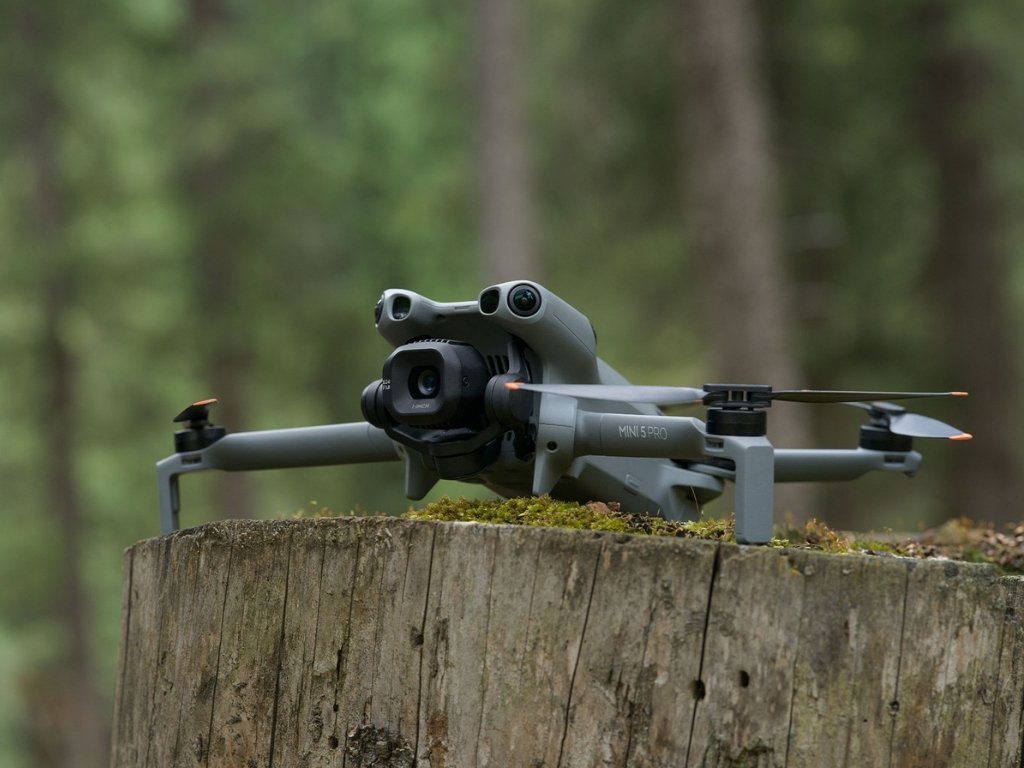
DJI Mini 5 Pro: the best starting point for most new pros
The Mini 5 Pro is the first drone under 250 grams to pack a 1-inch sensor. That means image quality that competes with much bigger drones, in a body you can toss in a small bag. It also has omnidirectional obstacle sensing and a flight time of up to around 36 minutes.
It typically costs around $800. Remember that "sub-250 grams" doesn't excuse you from Part 107 when you're working for clients, but it does make the drone easy to carry and quick to deploy. For real estate and small business work, it's an excellent first professional tool.
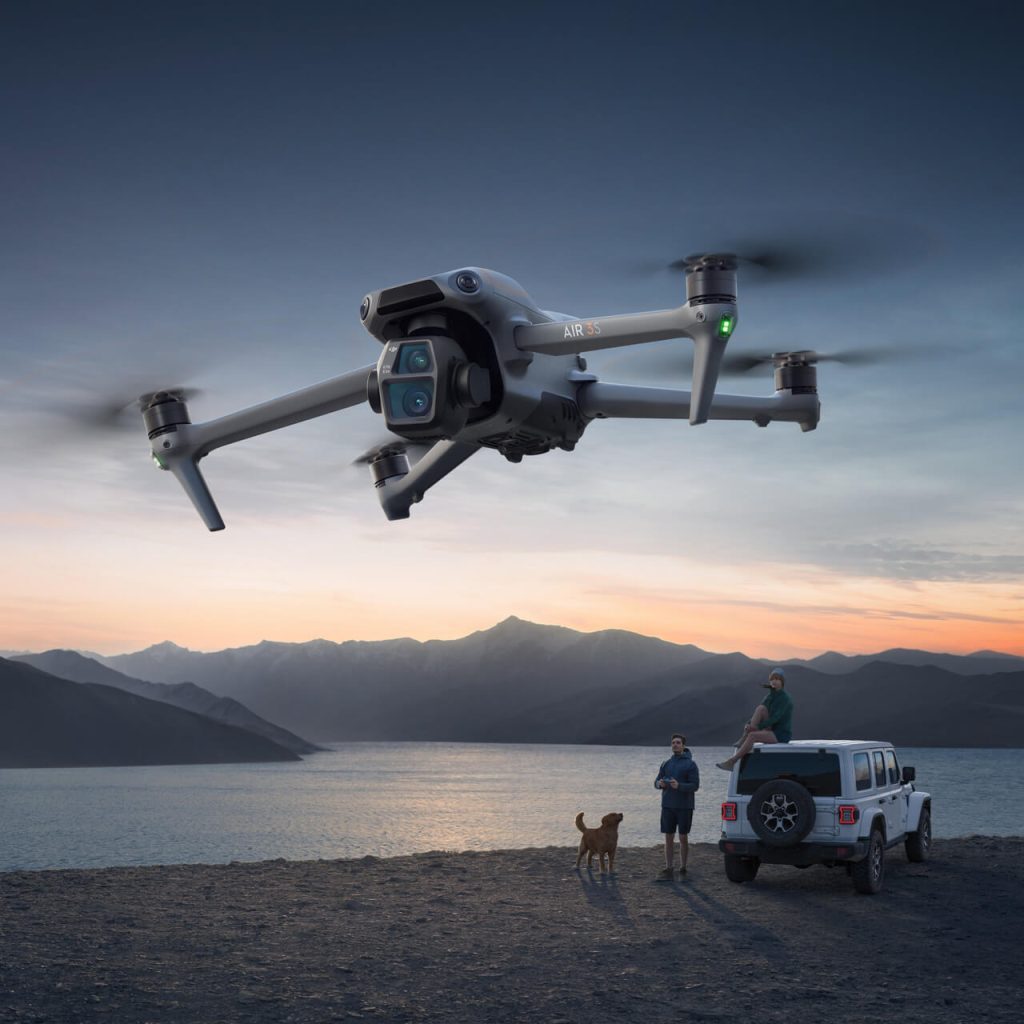
DJI Air 3S: the all-rounder
The Air 3S is the drone many photographers call the sweet spot. It has a dual-camera setup with a 1-inch main camera plus a second lens for variety, strong low-light performance, and a flight time of up to about 45 minutes. It's more capable in wind than the Minis, and at roughly $1,100, it's priced as a serious work tool without being flagship money.
If you shoot a mix of properties, events, and landscapes, this is the one many working creators pick.
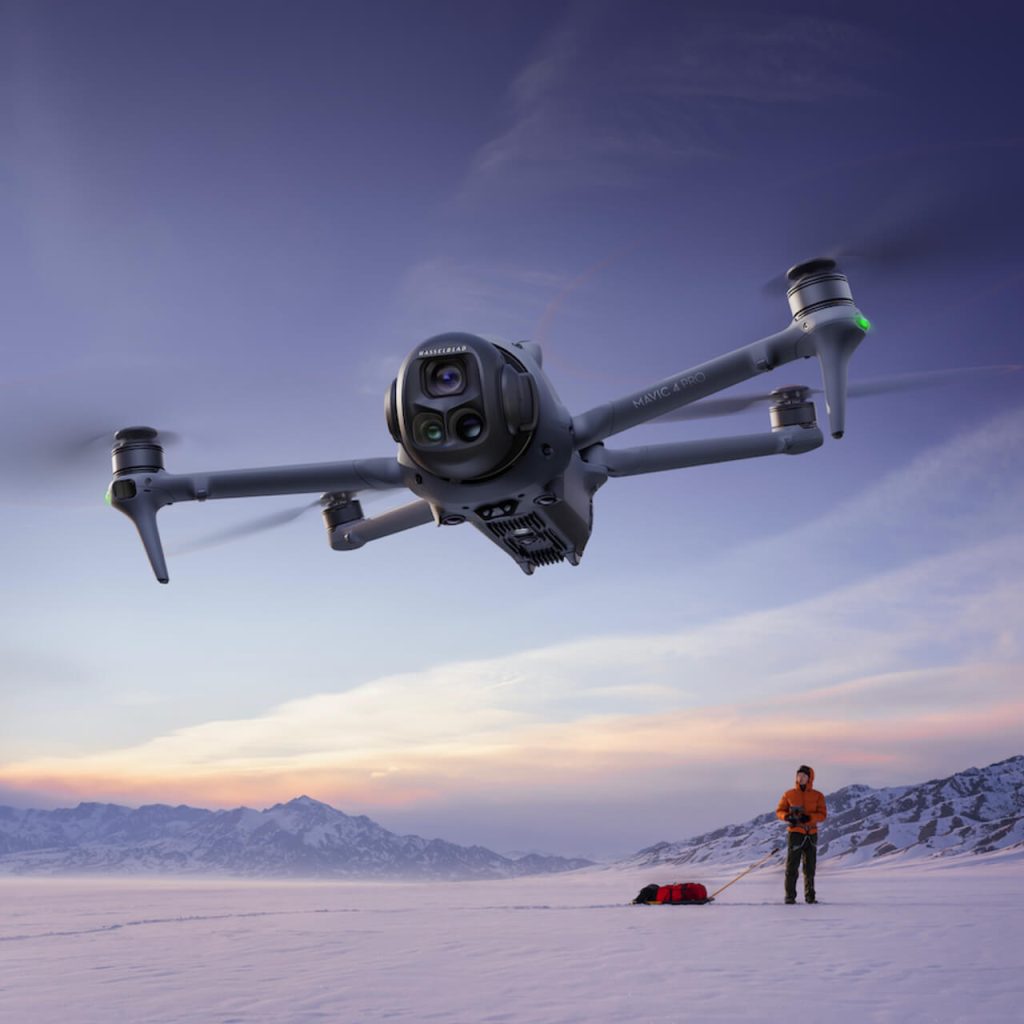
DJI Mavic 4 Pro: the flagship for premium work
The Mavic 4 Pro is built for clients who care about top-tier image quality, with a 100-megapixel main camera and a three-lens system. It's overkill for plenty of jobs, and at roughly $2,100 it's a real investment, but if you're pursuing luxury real estate, architecture, or commercial work where the visuals sell the product, it's the strongest option.
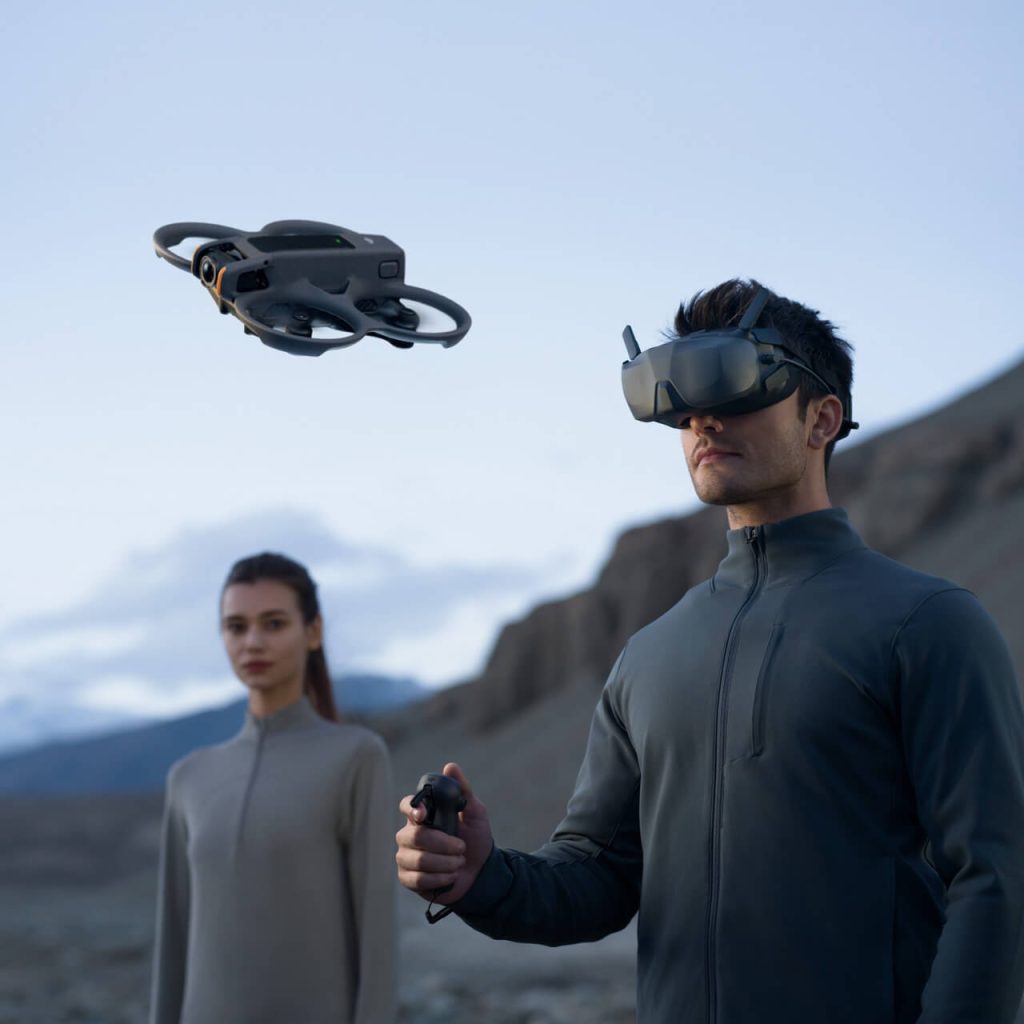
DJI Avata 2: for immersive, high-energy video
If you want to offer something most local drone pilots don't, such as sweeping fly-through shots of a property, venue tours, or dynamic promo videos, the Avata 2 gives you a unique service to sell. Just keep the Part 107 visual observer rule in mind for FPV flights.
Quick picks
- Starting small and keeping costs down: Mini 5 Pro.
- One drone for everything: Air 3S.
- Premium clients, premium images: Mavic 4 Pro.
- Standing out with cinematic motion: Avata 2.
- Just testing the waters before going pro: Neo 2.
One Important Note on Buying DJI Drones in the US
This changes quickly, so check current information before you buy. In late December 2025, the FCC added foreign-made drones to its Covered List, which blocks new equipment authorizations for models that weren’t already approved. In practice, that means newer DJI products may not launch in the US, and availability and pricing on some models can shift. Tariffs have also been announced that may affect prices.
The key reassurance: drones that were already authorized can still be bought from existing stock and flown, and the FCC has said it is protecting software and security updates for previously authorized aircraft. If you’re buying in the US, confirm the model is available and check what’s in stock.
Final Thoughts
Here’s the whole thing in one breath:
- Want real FPV as a beginner? Start with the DJI Avata 2.
- Want the easiest first drone? The DJI Neo 2 is a friendly, low-pressure start.
- Planning to earn money flying in the US? Get your Part 107 certificate and register every drone you fly for work, no matter how light it is.
- Ready to make it a business? The Mini 5 Pro, Air 3S, and Mavic 4 Pro cover most paid jobs, from beginner to premium.
Start with the drone that fits where you are today, learn it well, and upgrade when your work demands it. Browse our range of DJI Neo, Mini, and Mavic drones to find the right fit.
